To Look Is Not To See: Walking in Mattanchery During Kochi-Muziris Biennale
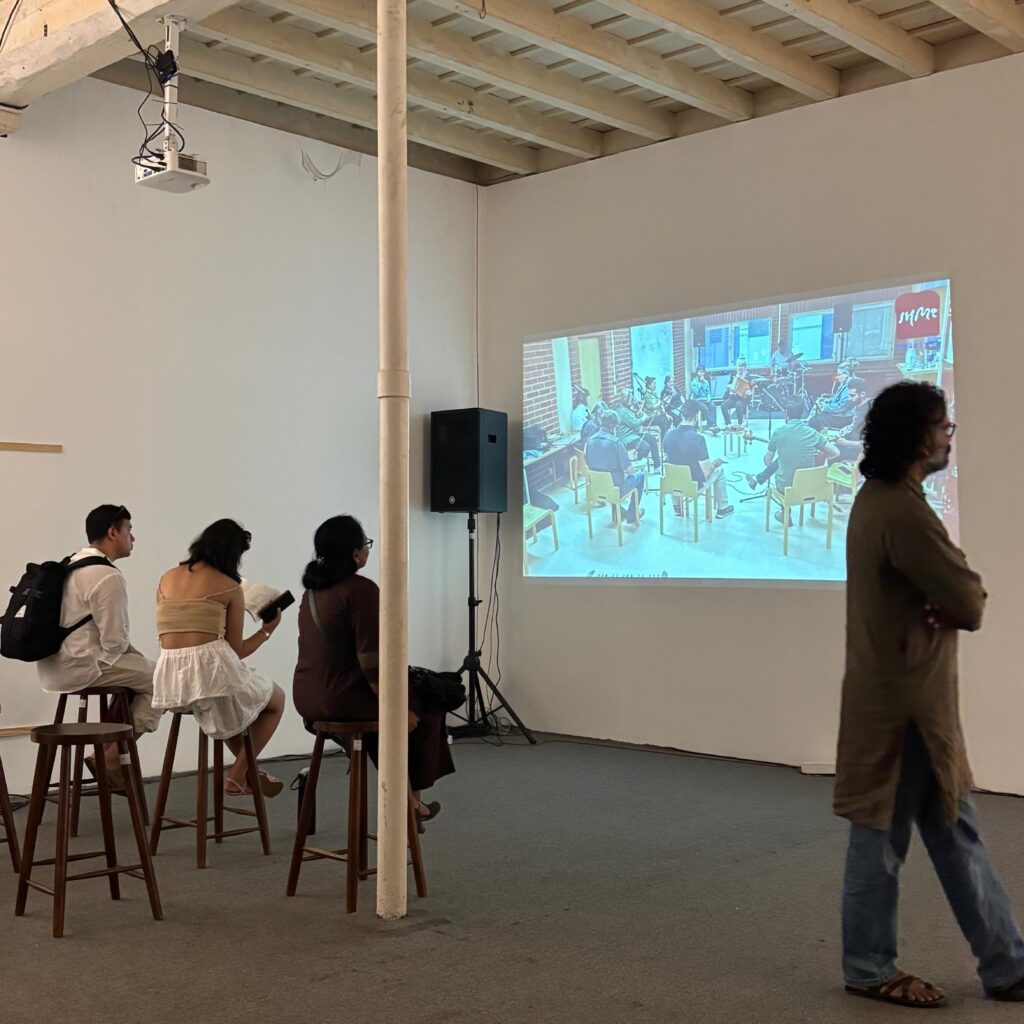
A video by MUHAMMED NOUSHAD; Voice by PRANEETH JONATHAN.
Kochi is like a mosaic, especially Mattancherry: a mix of diverse, contrasting, amazing binaries. It’s very symbolic in many ways. Over the centuries, Kochi has welcomed sailors and saints, traders and artisans, invaders and innocents, and lot more. Jews, Arab Muslims, Europeans, Gujaratis, Konkanis, and of course, various ethnicities of Malayalis have shared this space, still they do.
And then comes the spectacle — the grand Kochi-Muziris Biennale — arriving like a tide. It opens the doors of long-closed warehouses of Mattanchery and brings beautiful, brilliant artworks from all over the world. They invite the world to look. But to look is not always to see. For in these narrow lanes, life is not an installation. It is a slow, stubborn endurance. It’s resilience. And resistance.
Tourists and artists, spectators and curators come, seeking the “authentic” colour, texture, and aromas. They see everything; perhaps, except the people. And their everyday struggles.
The people. Everywhere. They smile. They offer water, stories, directions, time. They open not just their homes,
but their hearts and silences. No festival can curate it. No artwork ever captured it. So what would be the ethical use of a space like this? Do you see the contrast between a few tiny artworks occupying a large hall, and families with young children struggling for privacy in cramped rooms right next to it?
Perhaps we need to give them a little more space – physically and emotionally. And understand that the most sacred architecture here is not built of wood or stone, but of love and bonds. In Mattancherry, the truest art is not what is displayed — but what is lived.


